
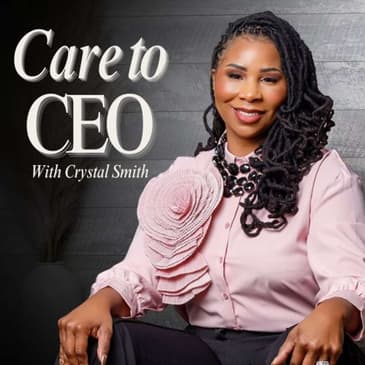

The conversation focused on the evolving landscape of healthcare entrepreneurship and the new challenges facing founders today. Growth in the industry now demands more than just vision and dedication; it requires robust systems, operational maturity, and stable teams to avoid chaos and burnout behind the scenes. The discussion explored common mistakes healthcare founders make as they scale, the rising importance of documentation and compliance, and why a strong infrastructure is more critical than ever. A key theme that emerged was the necessity for founders to adapt both personally and within their organizations to succeed in a rapidly changing, regulation-driven environment. The episode also delved into the impact of staffing, the role of mentorship, and what sustainable growth truly means for healthcare businesses looking toward the future
Timestamps:
00:00 Shift in healthcare industry focus
05:35 Implementing business systems for growth
08:46 Achieving operational maturity
10:38 Challenges with staffing decisions
16:01 Embracing Change for Business Growth
17:10 Importance of having a mentor
21:28 Focus on sustainability in business
25:42 Struggles and triumphs in modeling
28:25 Commitment to serving others
30:25 Keys to sustainable growth
Growing in Healthcare: Lessons from Industry Experts on Sustainable Success
In the latest episode of Care to CEO, Crystal dives deep into the ever-evolving world of healthcare entrepreneurship. Designed for aspiring and current founders, this episode uncovers key insights about scaling your healthcare business with intention, the pitfalls to avoid as you grow, and why operational maturity is more important than ever.
The Shift in Healthcare: Why Founders Must Evolve
Healthcare is rapidly transforming from a relationship-based industry to one driven by documentation, compliance, and measurable outcomes. As Crystal points out, founders must now be ready for heightened scrutiny in billing, documentation, and staff management. Increased oversight comes not just from regulators, but also from vendors and payers, making it critical to maintain robust systems and be audit-ready at all times.
These changes mean that casually entering the healthcare market is more challenging than ever. According to Crystal, this is not a "hustle" business; success relies on operational leadership, strong communication, and adherence to compliance from the very beginning.
Building the Right Infrastructure for Sustainable Growth
With regulations tightening, having solid infrastructure is no longer optional. Crystal shares that systems are necessary to protect the business, especially when the founder is not present. Whether it is through implementing technology like EVV systems or regular compliance checks, putting systems in place allows the company to operate smoothly even when leadership is offsite. Every aspect of the business should have an associated system, cultivated through learning from industry peers and ongoing process improvement.
Common Mistakes When Scaling Too Quickly
Scaling a healthcare business brings unique challenges. Crystal openly discusses her own learning curve, including the dangers of hiring and expanding services too rapidly. She notes that rapid growth often exposes weaknesses in your systems. Founders can easily confuse revenue growth with operational stability, but a fast influx of revenue may simply highlight gaps in management and processes rather than prove a business is on solid ground.
Operational Maturity: The Key to Long-Term Success
Operational maturity is about more than just having strong policies. It starts with founders committing to both personal and professional growth, from seeking mentorship to continuous staff training, updating compliance protocols, and holding regular team meetings. Structured leadership and accountability create an environment where the team can thrive and processes are constantly optimized for current conditions.
The Crucial Role of Staffing Stability
Long-term success in home healthcare revolves around team reliability. Crystal emphasizes that even staff members who excel on paper may not be a cultural fit, which can impact quality of care, compliance outcomes, and profitability. Ongoing investment in staff development, clear communication, and accountability is essential. Even one weak team member can impact referrals and trust from guardians and stakeholders.
Preventing Burnout and Building Resilient Businesses
One of the toughest aspects for founders is avoiding burnout. Crystal recommends proactive delegation, establishing leadership roles, and documenting operations thoroughly. Creating boundaries and reviewing compliance before problems arise sets the stage for a healthier, more resilient business environment. Importantly, data-driven decision-making should replace emotional reactions whenever possible.
The Future of Healthcare Entrepreneurship
Looking ahead, Crystal believes the healthcare industry will reward founders who are structured, disciplined, and hyper-focused on compliance. Emotional resilience will be critical as the pace of change accelerates. Building a sustainable business, rather than merely projecting success, is the ultimate path forward.
For healthcare founders at any stage, evolving alongside industry changes and investing in sustainable growth are non-negotiable. Building strong systems, fostering staff stability, and prioritizing operational maturity will position your business for long-term impact and profitability.
Stay tuned to Care to CEO for more actionable advice and stories directly from those shaping the future of healthcare entrepreneurship.
Care to CEO - Podcast Show Website - https://caretoceo.com/
Crystal Smith - https://www.crystalsmithandco.com/
Crystal Smith Mentoring - https://ft.crystalsmith.online/
TopHealth - https://tophealth.care/
“Disclaimer: Informational only. Not medical advice. Consult your doctor for guidance.”